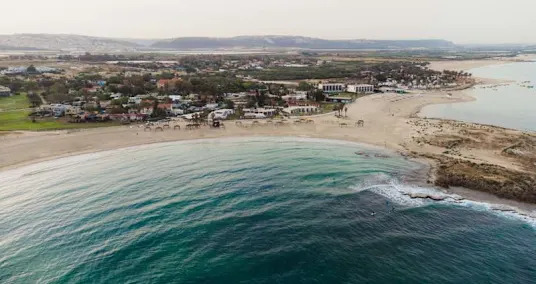
The discovery was made in an ancient shipwreck in the Dor Lagoon near the Carmel Coast, where archaeologists recovered nine pieces of unprocessed iron known as “blooms.”
Researchers from the University of Haifa said Wednesday that an underwater excavation off Israel’s northern Mediterranean coast uncovered what they described as the earliest known cargo of raw iron transported by ship, dating back around 2,600 years, Xinhua reported.
The discovery was made in an ancient shipwreck in the Dor Lagoon near the Carmel Coast, where archaeologists recovered nine pieces of unprocessed iron known as “blooms.” According to the university, the find provides direct evidence of how iron was transported in its earliest commercial stages.
The material was preserved in its original form, having solidified directly in a smelting furnace without undergoing forging or further refinement. Researchers said this distinguishes the cargo from later iron artifacts that typically show signs of shaping or tool-making.
Unlike copper and bronze, which could be melted into liquid form in ancient production processes, iron was heated with charcoal to produce a solid, porous mass. That mass was generally hammered to remove impurities and create denser material suitable for tools and implements.
The recovered blooms showed no indication of that secondary processing stage, suggesting they were transported immediately after production.

Earliest iron shipment discovered in ancient Mediterranean wreck
To determine the age and condition of the cargo, researchers conducted microscopic and chemical analyses.
Radiocarbon dating was also carried out on charred wood embedded in one of the pieces, helping confirm the timeline of the shipment. The findings were published in the journal Heritage Science.
Researchers said the cargo indicates that iron was being moved in raw form from production sites to other locations for further processing, pointing to a level of specialization in ancient manufacturing and trade networks in the Mediterranean.
The University of Haifa said the discovery provides new insight into early iron production and distribution practices in the region.
LATEST POSTS
- 1
 Global measles cases drop 71% in 24 years as vaccination coverage improves, WHO says
 - 2Scientists uncover an ant assassination scheme that helps a parasitic queen rise to power
- 3Instructions to Decide the Best SUV Size for Seniors
- 4Online business Stages for Little Retailers
- 5EU top diplomat Kallas arrives in Kiev to commemorate Bucha massacre



- Clovis Unified students spend spring break traveling through China
- I visited every country by 25. Antarctica showed me how much I still hadn't seen.
- Dominating the Mastercard Endorsement Cycle: Six Fundamental Stages
- Vote in favor of your #1 sort of juice
- Before Cheap Cars Were Common, This Fiat Changed Everyday Life for Millions
- How to watch the ‘Wicked: One Wonderful Night’ special — now streaming
- Employers and staff feel effect of fuel price rise
- Oil, energy and food: Which countries in Europe are most exposed to higher food prices?
- German unemployment rate falls to 6.4%, but 3 million still jobless