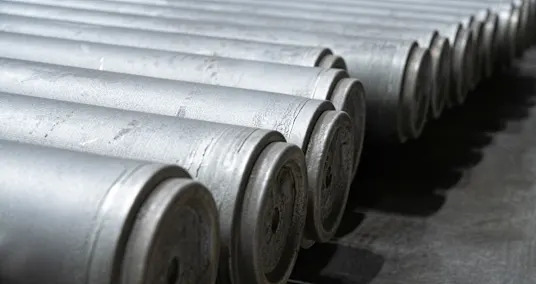
Fears of global aluminium shortages that could affect the production of clean energy technologies intensified after Iran struck two major Gulf aluminium producers, sending prices to a four-year high. The Middle East accounts for 9% of the world’s production of aluminum, which is essential to a wide range of industries from transportation, construction, and packaging, as well as the manufacture of solar panels, electrical transmission systems, wind turbines, and EVs.
Export shipments to the US and Europe had already come to a halt because of the effective closure of the Strait of Hormuz, and Morgan Stanley economists singled out aluminium as carrying a high level of risk across the value chain. Andy Farida, an aluminium analyst at Fastmarkets, told Semafor that high prices would be passed on to end-users, ultimately causing demand destruction. “A prolonged shutdown (with little to no alternative supplies other than Russia and China) could cripple the supply of aluminium to support the production of clean and green technology,” he said, adding that relief could come “if governments allow some sanctioned Russian and Chinese aluminium to be imported.”

LATEST POSTS
- 1
 A Manual for Pick Great Lawful Discussion Administrations For New businesses In 2024
 - 2Radiate brilliantly: The 5 Precious stone Rings to Purchase in 2024
- 3The most effective method to Guarantee Simple Availability in Seniors' SUVs
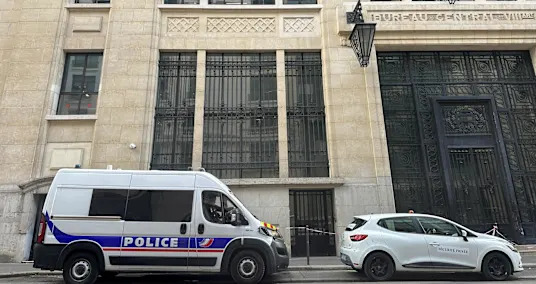
- 4Three arrested in Paris after attempted bomb attack outside Bank of America
- 58 Fundamental Stages: Novice's Manual for Secure Your Android with a VPN



- 'Women on the floor, riddled with bullets': Ex-hostage Rom Braslavski recounts 'horrors' of Oct. 7
- Stunning new James Webb Space Telescope images reveal 'hidden' stars being born
- 10 Setting up camp Shelters That Offer Both Excellence and Isolation
- Climate engineering would alter the oceans, reshaping marine life – our new study examines each method’s risks
- Former Peruvian President Pedro Castillo sentenced for conspiracy
- Foreign military officials can become Israel's ambassadors, senior IDF commander tells 'Post'
- 4 Electric Vehicle Brands: Execution, Unwavering quality, and Development
- Rediscovering Experience Through Excursions: Individual Travel Stories
- Israeli strikes in Gaza kill 25 people, Hamas health authority says