Pakistan and China issued a five-point initiative on Tuesday to restore peace and stability in The Gulf and Middle East region, calling for an immediate cessation of hostilities.
"China and Pakistan call for immediate cessation of hostilities and utmost efforts to prevent the conflict from spreading," said a statement issued following high-level talks in Beijing.
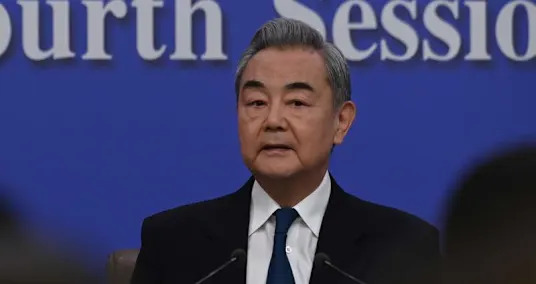
Pakistani Deputy Prime Minister and Foreign Minister Ishaq Dar is in Beijing where he met Chinese Foreign Minister Wang Yi to discuss the peace process and the role Islamabad is playing in ending a raging war in the Middle East.
"China and Pakistan support the relevant parties in initiating talks, with all parties committing to peaceful resolution of disputes, and refraining from the use or the threat of use of force during peace talks," the statement said.
Both the countries called for the protection of civilians, non-military infrastructure and security of the shipping lanes, the Strait of Hormuz and adjacent waters.
On Sunday, Pakistan said it was ready to host talks between the US and Iran after top diplomats from the region discussed the prospects of peace amid a push to bring the two sides closer to the negotiating table.
LATEST POSTS
- 1
 This Week In Space podcast: Episode 204 — A New NASA
 - 2NASA releases stunning first images of Earth taken by the Artemis II astronauts
- 3The Most Compelling Innovation Developments Somewhat recently
- 4New movies to watch this weekend: See 'The Running Man' in theaters, rent 'One Battle After Another,' stream 'Nobody 2' on Peacock
- 5Step by step instructions to Advance the Eco-friendliness of Your Kona SUV




- Picking the Right Pot for Your Plants: An Aide for Plant Devotees
- 7 Peculiar Ways Of starting Your Imagination: Motivation Has Never Been This Good times
- Trump says Cuba is 'ready to fall' after capture of Venezuela's Maduro
- U.K. blocks Kanye West from entering Britain to headline now canceled festival: What led to the ban
- The Most Famous Virtual Entertainment Powerhouses of the Year
- The teen queen bee of 'Laguna Beach' is now a 'cringey' mom
- Relentless rise in carbon pollution from fossil fuels slightly dampens climate-fighting hopes
- Electric Vehicles for Eco-Accommodating Driving
- Shakira's 2026 'Las Mujeres Ya No Lloran' U.S. Tour: How to get tickets, prices, dates and more